Open M-F from 8:30 AM to 5:00 PM

1006 Professional Blvd Suite B, Dalton, GA 30720

Professional dentist in black scrubs examining patient's tooth for inlay onlay restoration in Dalton GA dental office

Preserve More of Your Natural Tooth

That cavity too big for a filling, but not bad enough for a crown?

At Dalton Family and Cosmetic Dentistry, we believe in preserving as much of your natural tooth as possible. Led by Dr. Lee, inlays and onlays are the perfect middle ground—custom restorations that repair damage while keeping more of your healthy tooth structure intact.

More conservative than crowns. More durable than fillings. And they look completely natural.

Dentist in black scrubs with latex gloves placing porcelain inlay on patient's tooth during conservative restoration procedure Dalton GA

What Are Inlays & Onlays?

Inlays and onlays are custom-made restorations that repair moderately damaged teeth.

Inlay:

  • Fits inside the cusps (raised points)
  • Repairs damage between cusps
  • More conservative than crown
  • Alternative to large filling

Onlay:

  • Covers one or more cusps
  • Extends over tooth surface
  • More coverage than inlay
  • Less invasive than crown

When you need one:

  • 🦷 Moderate decay - Too much for filling, not enough for crown
  • 🦷 Old filling failed - Replace with stronger restoration
  • 🦷 Fractured tooth - Repair without full crown
  • 🦷 Preserve natural tooth - Conservative approach preferred
  • 🦷 Back teeth damage - Molars and premolars

Benefits:

  • Preserve more natural tooth structure
  • Stronger than fillings
  • More conservative than crowns
  • Natural appearance (porcelain)
  • Long-lasting (10–30 years)

The middle ground that makes sense.

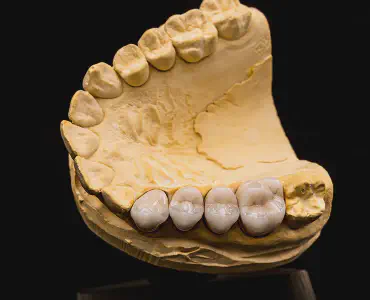
Dental porcelain inlays and onlays restorations display showing tooth-colored ceramic options Dalton GA

Inlay vs. Onlay vs. Filling vs. Crown

Choosing the right restoration depends on damage extent.

Filling - Minor Damage

  • Small cavities
  • Minimal tooth structure lost
  • Direct placement (one visit)
  • Less durable (5–10 years)
  • Best for: Small to moderate decay

Inlay - Moderate Damage

  • Fits inside cusps
  • More tooth structure preserved
  • Lab-made (two visits)
  • More durable (10–30 years)
  • Best for: Decay between cusps

Onlay - Moderate to Extensive Damage

  • Covers one or more cusps
  • More coverage than inlay
  • Lab-made (two visits)
  • Very durable (10–30 years)
  • Best for: Damaged cusps, not enough for crown

Crown - Severe Damage

  • Covers entire tooth
  • Most tooth structure removed
  • Lab-made (two visits)
  • Most durable (10–15+ years)
  • Best for: Severely damaged, after root canal

Our philosophy: Always choose the most conservative option that will last. We’ll recommend what’s best for your specific situation.

Calm relaxed patient in dental chair receiving comfortable anxiety-free inlay treatment Dalton GA

Your Comfortable Procedure

Modern inlay and onlay procedures are comfortable and efficient.

Traditional Process (2 visits):

Visit 1 (60–90 minutes)

  • Numb tooth with local anesthesia
  • Remove decay or old filling
  • Prepare tooth (minimal removal)
  • Take digital impression
  • Place temporary restoration

Visit 2 (30–60 minutes, 1–2 weeks later)

  • Remove temporary
  • Try in permanent inlay/onlay
  • Check fit and bite
  • Bond permanently

Your comfort:

  • Topical numbing gel first
  • Local anesthesia for complete numbness
  • Oral sedation available
  • Breaks anytime—just raise your hand

Most patients say: “Easier than getting a large filling!”

Same-day option: CEREC technology may allow single-visit inlays/onlays. Ask if you’re a candidate.

Closeup of healthy tooth with porcelain inlay restoration showing seamless natural appearance Dalton GA

Longevity & Durability

Average lifespans:

  • Porcelain: 10–30 years
  • Composite: 5–10 years
  • Gold: 20–30+ years

What affects longevity:

  • Oral hygiene - Brush twice daily, floss daily
  • Regular visits - Every 6 months for checkups
  • Night guard - If you grind or clench
  • Diet - Avoid hard or sticky foods
  • Material choice - Gold most durable, porcelain close second

We monitor at every visit:

  • Check for wear, cracks, or chips
  • Look for decay at margins
  • Polish rough spots
  • Replace before problems develop

Why they last:

  • Bonded directly to tooth (stronger than fillings)
  • Custom-made for precise fit
  • High-quality materials (porcelain, gold)
  • Preserve more natural tooth (stronger foundation)

Pro tip: Good oral hygiene + regular cleanings = inlays and onlays that last decades. Easy maintenance for long-term results.

Happy confident patient with bright healthy smile after inlay onlay treatment Dalton GA

Ready to Restore Your Tooth?

Preserve your natural tooth with conservative restoration.

Dalton Family and Cosmetic Dentistry
📍 1006 Professional Blvd Suite B, Dalton, GA 30720
📞 (706) 226-2228
🌐 daltonfamilydentistry.com

Book Your Inlay/Onlay Consultation Today

We’ll examine the tooth, take X-rays, determine if inlay/onlay is the best option, and explain the process. No pressure, no upselling—just honest recommendations.

Insurance? Most plans cover 50–80% (similar to fillings and crowns). We verify benefits, file claims, and explain costs upfront.

No insurance? Payment plans and CareCredit financing available.

Anxious? Tell us. We specialize in calming nervous patients. Many actually relax during the procedure.

Call (706) 226-2228. Let’s preserve that tooth with the most conservative option possible.
Frequently Asked Questions

What are inlays and onlays?

Inlays and onlays are custom-made restorations that repair moderately damaged teeth—more than a filling, less than a crown. INLAY fits inside the cusps (raised points) of the tooth. ONLAY covers one or more cusps (extends over tooth surface). Both are made from porcelain, composite resin, or gold and bonded directly to tooth structure. More conservative than crowns (preserve more natural tooth). Last 10–30 years. Call (706) 226-2228 for evaluation!

When do I need an inlay or onlay instead of a filling or crown?

INLAY/ONLAY is ideal when: decay or damage is too extensive for filling but not enough for crown, you want to preserve maximum natural tooth structure, filling would weaken tooth (risk of fracture), you want more durable restoration than filling. FILLING is better for: small cavities, minimal tooth structure lost. CROWN is better for: severely damaged teeth, after root canal, cracked teeth, extensive decay. We’ll recommend best option for your situation. Call (706) 226-2228!

What materials are inlays and onlays made from?

Materials: (1) Porcelain/ceramic—tooth-colored, most natural appearance, stain-resistant, durable. (2) Composite resin—tooth-colored, less expensive, less durable than porcelain. (3) Gold alloy—most durable (lasts 20–30 years), gentle on opposing teeth, visible. Porcelain is most popular for visible teeth. Gold is best for back teeth (durability). We’ll recommend based on tooth location, bite forces, aesthetic priorities, and budget. Call (706) 226-2228!

How much do inlays and onlays cost?

Cost varies based on material choice, size and complexity, tooth location, and lab fees. Dental insurance typically covers 50–80% (similar to fillings and crowns). We verify your benefits before treatment, file claims for you, and explain any out-of-pocket costs upfront. Payment plans and CareCredit financing available. Call (706) 226-2228 for personalized estimate after examination. Inlays and onlays are cost-effective—more durable than fillings, less expensive than crowns!

How long do inlays and onlays last?

Porcelain inlays/onlays: 10–30 years with proper care. Composite: 5–10 years. Gold: 20–30+ years (most durable). Longevity depends on: oral hygiene (brush and floss daily), regular dental visits (every 6 months), not grinding or clenching (wear night guard), diet (avoid hard or sticky foods), material choice. We monitor inlays and onlays at every checkup for wear, cracks, or decay at margins. Good care extends lifespan significantly. Call (706) 226-2228 for maintenance tips!

Does getting an inlay or onlay hurt?

During procedure: NO—you’ll be completely numb with local anesthesia. We use topical numbing gel first, then gentle injection. You’ll feel pressure and vibration but no pain. We offer oral sedation for anxious patients. AFTERWARD: mild sensitivity to hot, cold, or pressure for few days (normal). Manage with OTC pain relievers and desensitizing toothpaste. Severe or prolonged pain? Call us—may need adjustment. Most patients report procedure was easier than getting a large filling. Call (706) 226-2228 if concerned!

What is the inlay and onlay procedure like?

Process (2 visits): VISIT 1 (60–90 min): Numb tooth, remove decay or old filling, prepare tooth, take impression (digital or traditional), place temporary. VISIT 2 (30–60 min, 1–2 weeks later): Remove temporary, try in permanent, check fit and bite, bond permanently. Some offices offer same-day inlays/onlays with CEREC technology (1 visit). We’ll explain each step, ensure you’re comfortable. Most patients surprised how easy it is! Call (706) 226-2228 to schedule!

Ready for Your Healthiest Smile? Call:(706) 226-2228

Whether it’s been 6 months or 6 years since your last visit, we’re ready to welcome you.